Original: $79.42
-70%$79.42
$23.83The Story
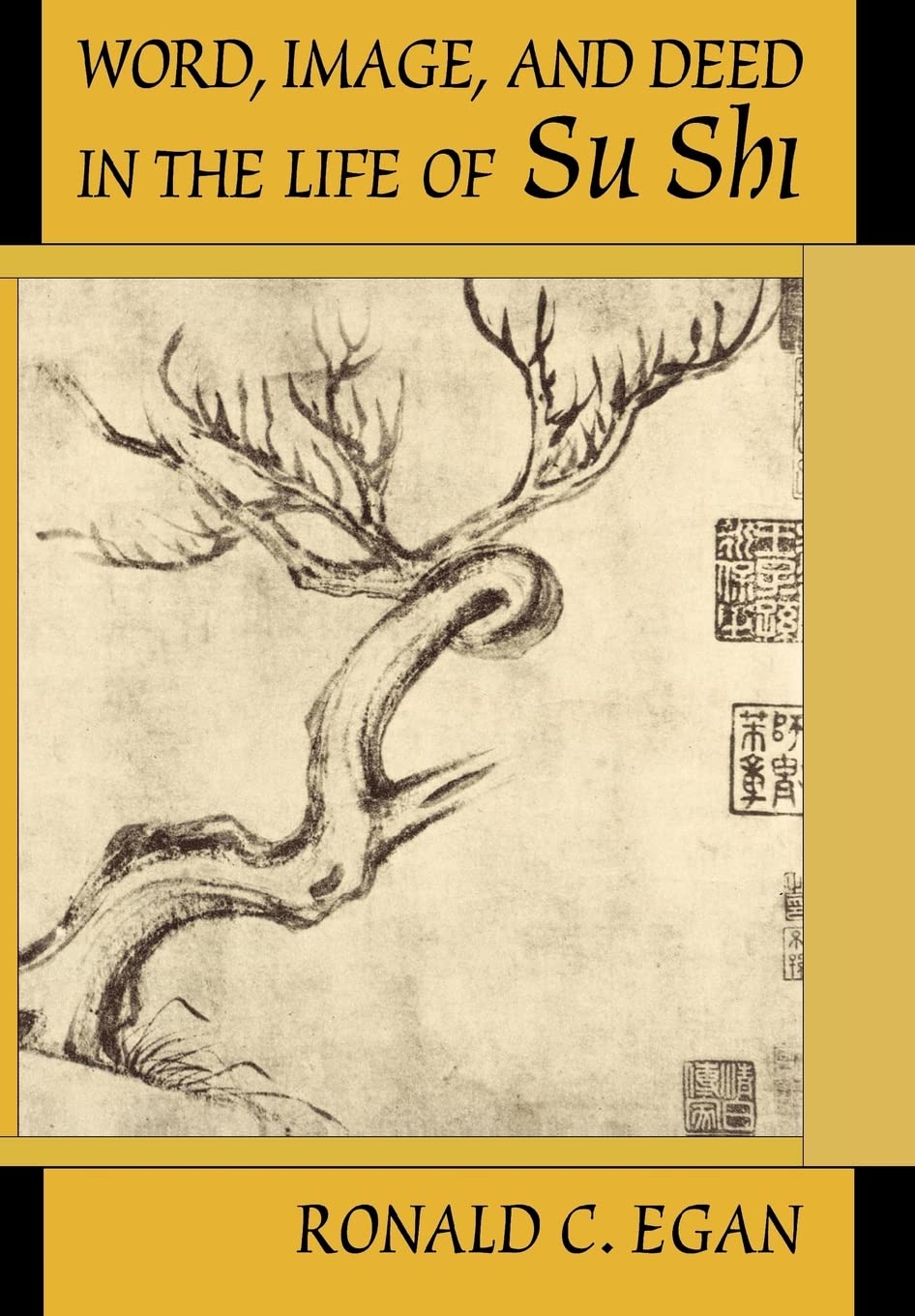
Remembered today primarily as a poet, calligrapher, and critic, the protean Su Shi was an outspoken player in the contentious politics and intellectual debates of the Northern Song dynasty. In this comprehensive study, Egan analyzes Sus literary and artistic work against the background of eleventhcentury developments within Buddhist and Confucian thought and Sus dogged disagreement with the New Policies of Wang Anshi.Egan explicates Sus views on governance, the classics, and Buddhism; and he describes Sus socialwelfare initiatives, arrest for disloyalty, and exiles. Finding a key to the richness of Sus artistic activities in his vacillation on the significance of aesthetic pursuits, Egan explores Sus shi and ci poetry and Sus promotion of painting and calligraphy, looking specially at the problem of subjectivity. In a concluding chapter, he reconsiders Sus role as a founder of the wenren (literati) and challenges the conventional understanding of both Su and the Northern Song wenren generally.
Description
Remembered today primarily as a poet, calligrapher, and critic, the protean Su Shi was an outspoken player in the contentious politics and intellectual debates of the Northern Song dynasty. In this comprehensive study, Egan analyzes Sus literary and artistic work against the background of eleventhcentury developments within Buddhist and Confucian thought and Sus dogged disagreement with the New Policies of Wang Anshi.Egan explicates Sus views on governance, the classics, and Buddhism; and he describes Sus socialwelfare initiatives, arrest for disloyalty, and exiles. Finding a key to the richness of Sus artistic activities in his vacillation on the significance of aesthetic pursuits, Egan explores Sus shi and ci poetry and Sus promotion of painting and calligraphy, looking specially at the problem of subjectivity. In a concluding chapter, he reconsiders Sus role as a founder of the wenren (literati) and challenges the conventional understanding of both Su and the Northern Song wenren generally.