Original: $31.56
-70%$31.56
$9.47The Story
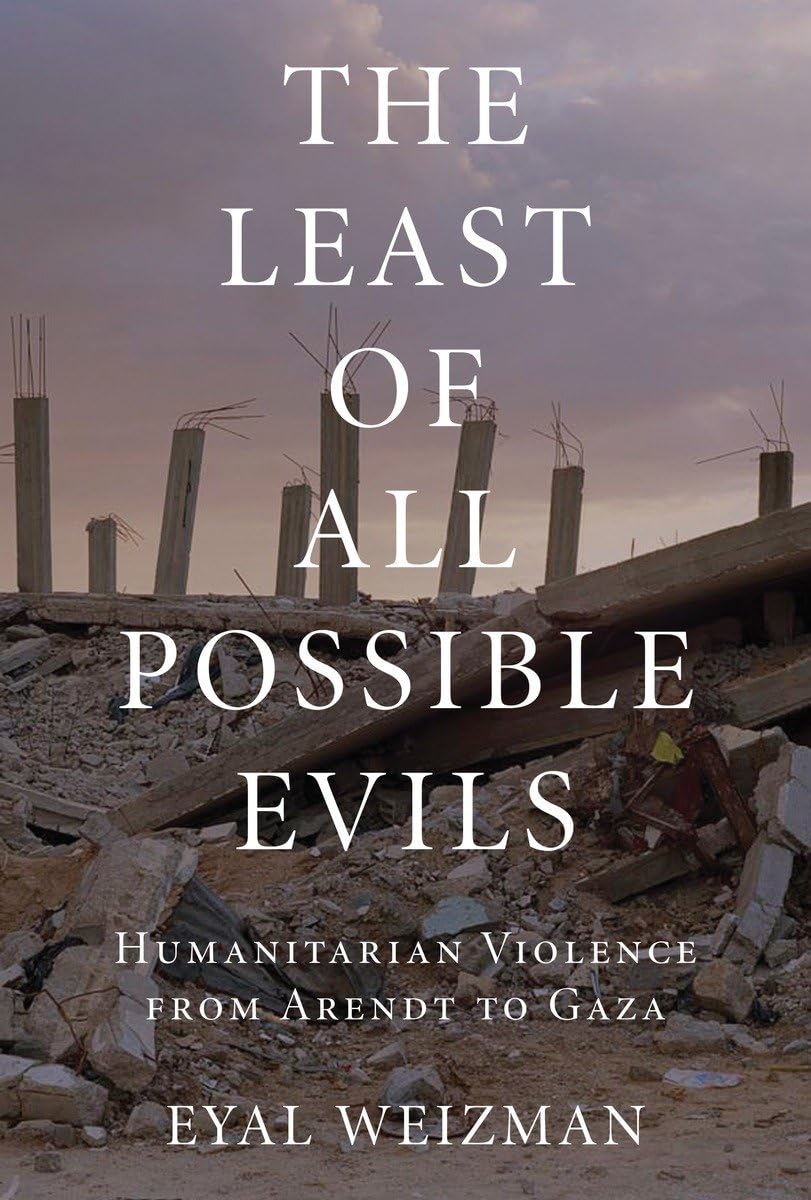
Groundbreaking exploration of the philosophy underpinning Western humanitarian interventionThe principle of the lesser evilthe acceptability of pursuing one exceptional course of action in order to prevent a greater injusticehas long been a cornerstone of Western ethical philosophy. From its roots in classical ethics and Christian theology, to Hannah Arendts exploration of the work of the Jewish Councils during the Nazi regime, Weizman explores its development in three key transformations of the problem: the defining intervention of Mdecins Sans Frontires in mid1980s Ethiopia; the separation wall in IsraelPalestine; and international and human rights law in Bosnia, Gaza and Iraq. Drawing on a wealth of new research, Weizman charts the latest manifestation of this ageold idea. In doing so he shows how military and political intervention acquired a new humanitarian acceptability and legality in the late twentieth and early twentyfirst centuries.
Description
Groundbreaking exploration of the philosophy underpinning Western humanitarian interventionThe principle of the lesser evilthe acceptability of pursuing one exceptional course of action in order to prevent a greater injusticehas long been a cornerstone of Western ethical philosophy. From its roots in classical ethics and Christian theology, to Hannah Arendts exploration of the work of the Jewish Councils during the Nazi regime, Weizman explores its development in three key transformations of the problem: the defining intervention of Mdecins Sans Frontires in mid1980s Ethiopia; the separation wall in IsraelPalestine; and international and human rights law in Bosnia, Gaza and Iraq. Drawing on a wealth of new research, Weizman charts the latest manifestation of this ageold idea. In doing so he shows how military and political intervention acquired a new humanitarian acceptability and legality in the late twentieth and early twentyfirst centuries.