The Story
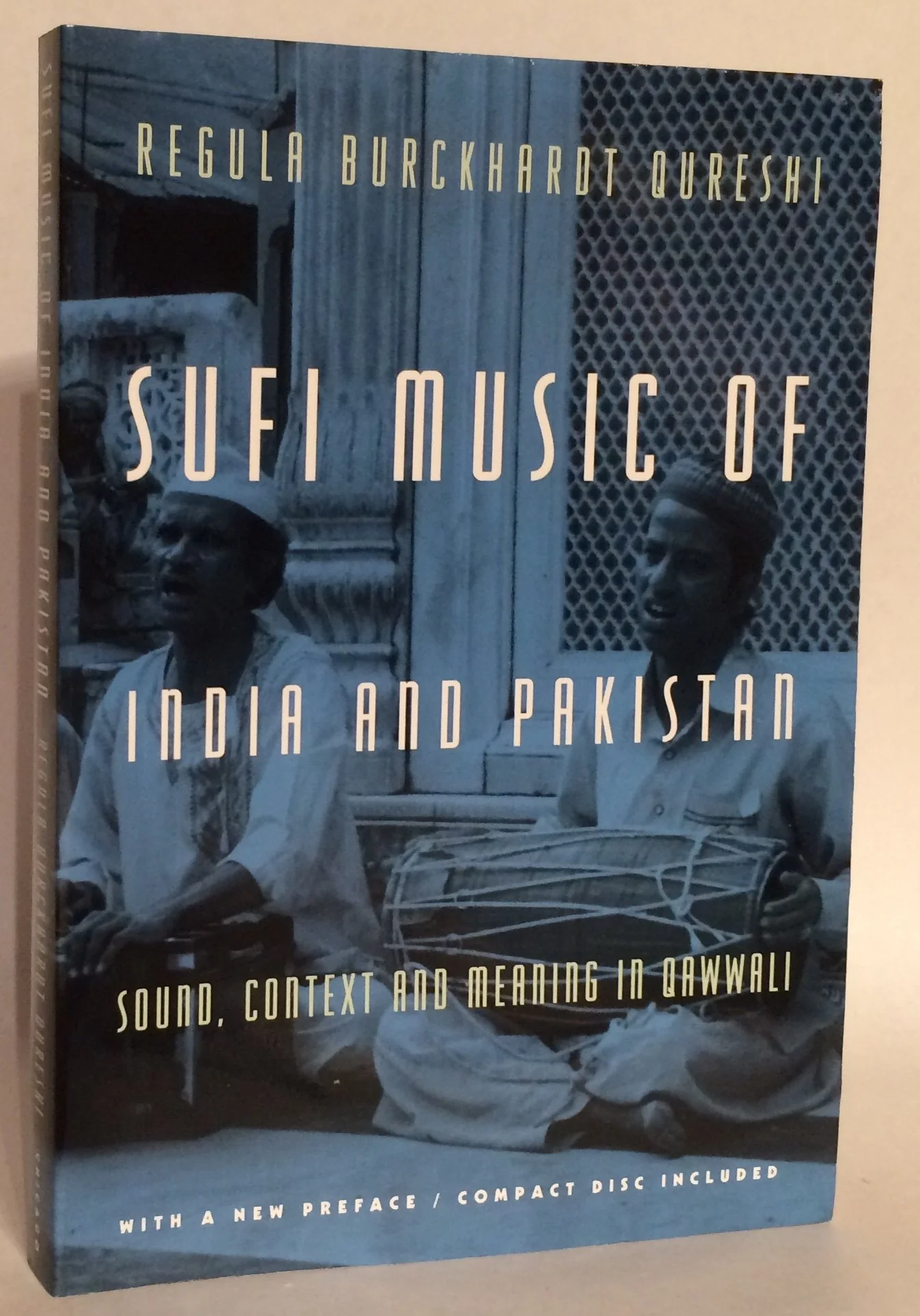
The most distinctive and important genre of Muslim devotional music, Qawalli is closely identified with Sufism, the mystical form of Islam. At a Qawalli assembly, Sufi devotees gather under the guidance of a spiritual leader to experience states of mystical love and divine ecstasy through a ritual listening to music.In this study, Qureshi creates a contextsensitive musical grammara way to study the setting, audience, and performance as elements of the music.Superbly documented. . . . Sufi Music is an engaging read for those interested in understanding not just qawwali, but also how musicperhaps all musicsis informed by, shaped by, and interacts with the ideological, socioeconomic, and performance environment of its composers and performers.Kenneth Chen, Canadian University Music ReviewA remarkably rigorous, creative, and insightful treatment of music as process, [this book] should serve as an exemplary approach to documenting performance in general. . . . A welcome addition to literature in ethnomusicology and Indian studies in general.Peter Manuel, 1989 Yearbook for Traditional MusicAn accomplished musician as well as an anthropologistethnomusicologist, [Qureshi] has applied her formidable skills to analysis of the role of music in contemporary Sufi practice in India and Pakistan. . . . The whole is a most impressive work of scholarship.F. and J. Lehmann, Pacific Studies
Description
The most distinctive and important genre of Muslim devotional music, Qawalli is closely identified with Sufism, the mystical form of Islam. At a Qawalli assembly, Sufi devotees gather under the guidance of a spiritual leader to experience states of mystical love and divine ecstasy through a ritual listening to music.In this study, Qureshi creates a contextsensitive musical grammara way to study the setting, audience, and performance as elements of the music.Superbly documented. . . . Sufi Music is an engaging read for those interested in understanding not just qawwali, but also how musicperhaps all musicsis informed by, shaped by, and interacts with the ideological, socioeconomic, and performance environment of its composers and performers.Kenneth Chen, Canadian University Music ReviewA remarkably rigorous, creative, and insightful treatment of music as process, [this book] should serve as an exemplary approach to documenting performance in general. . . . A welcome addition to literature in ethnomusicology and Indian studies in general.Peter Manuel, 1989 Yearbook for Traditional MusicAn accomplished musician as well as an anthropologistethnomusicologist, [Qureshi] has applied her formidable skills to analysis of the role of music in contemporary Sufi practice in India and Pakistan. . . . The whole is a most impressive work of scholarship.F. and J. Lehmann, Pacific Studies