The Story
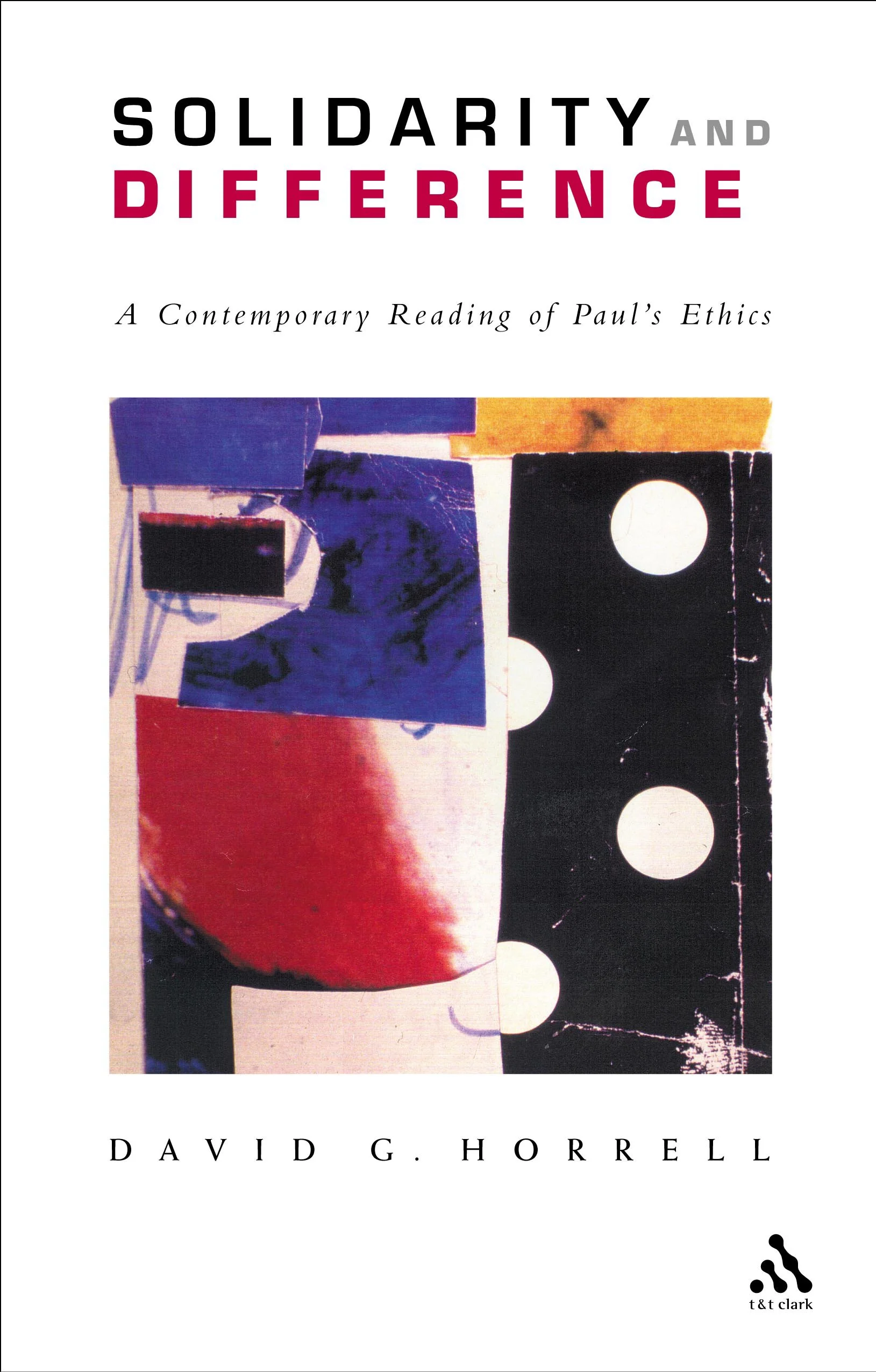
This book presents a wideranging study of Pauline ethics, examining how Pauls moral discourse envisages and constructs communities in which there is a strong sense of solidarity but also legitimate difference in various aspects of ethical practice. Unlike many books on New Testament ethics, this work reads New Testament texts with an explicit awareness of contemporary ethical theory, and attempts to assess Pauls contribution as a moral thinker in the context of modern debate. The contents include a survey of the variety of approaches to understanding Pauline ethics and of the contemporary liberalcommunitarian debate. Using a framework indebted to the social sciences, as well as to contemporary ethical theory, various chapters go on to examine the construction of community in Pauls letters, the notions of purity, boundaries and identity, Pauls attempts to deal with diversity in his churches, the role of imitating Christ in Pauls ethics, and the ethic Paul develops for interaction with outsiders. Finally, the pattern of Pauls moral thinking is considered in relation to the liberalcommunitarian debate, with explicit consideration given to the central moral norms of Pauline thought, and the prospects for, and problems with, appropriating these in the contemporary world. It is argued that, while Pauls ethics raise problems which prevent their easy application today, by thinking with, beyond, and sometimes against Paul, we can find in his letters valuable resources for the pressing moral tasks that confront us.
Description
This book presents a wideranging study of Pauline ethics, examining how Pauls moral discourse envisages and constructs communities in which there is a strong sense of solidarity but also legitimate difference in various aspects of ethical practice. Unlike many books on New Testament ethics, this work reads New Testament texts with an explicit awareness of contemporary ethical theory, and attempts to assess Pauls contribution as a moral thinker in the context of modern debate. The contents include a survey of the variety of approaches to understanding Pauline ethics and of the contemporary liberalcommunitarian debate. Using a framework indebted to the social sciences, as well as to contemporary ethical theory, various chapters go on to examine the construction of community in Pauls letters, the notions of purity, boundaries and identity, Pauls attempts to deal with diversity in his churches, the role of imitating Christ in Pauls ethics, and the ethic Paul develops for interaction with outsiders. Finally, the pattern of Pauls moral thinking is considered in relation to the liberalcommunitarian debate, with explicit consideration given to the central moral norms of Pauline thought, and the prospects for, and problems with, appropriating these in the contemporary world. It is argued that, while Pauls ethics raise problems which prevent their easy application today, by thinking with, beyond, and sometimes against Paul, we can find in his letters valuable resources for the pressing moral tasks that confront us.