
The Story
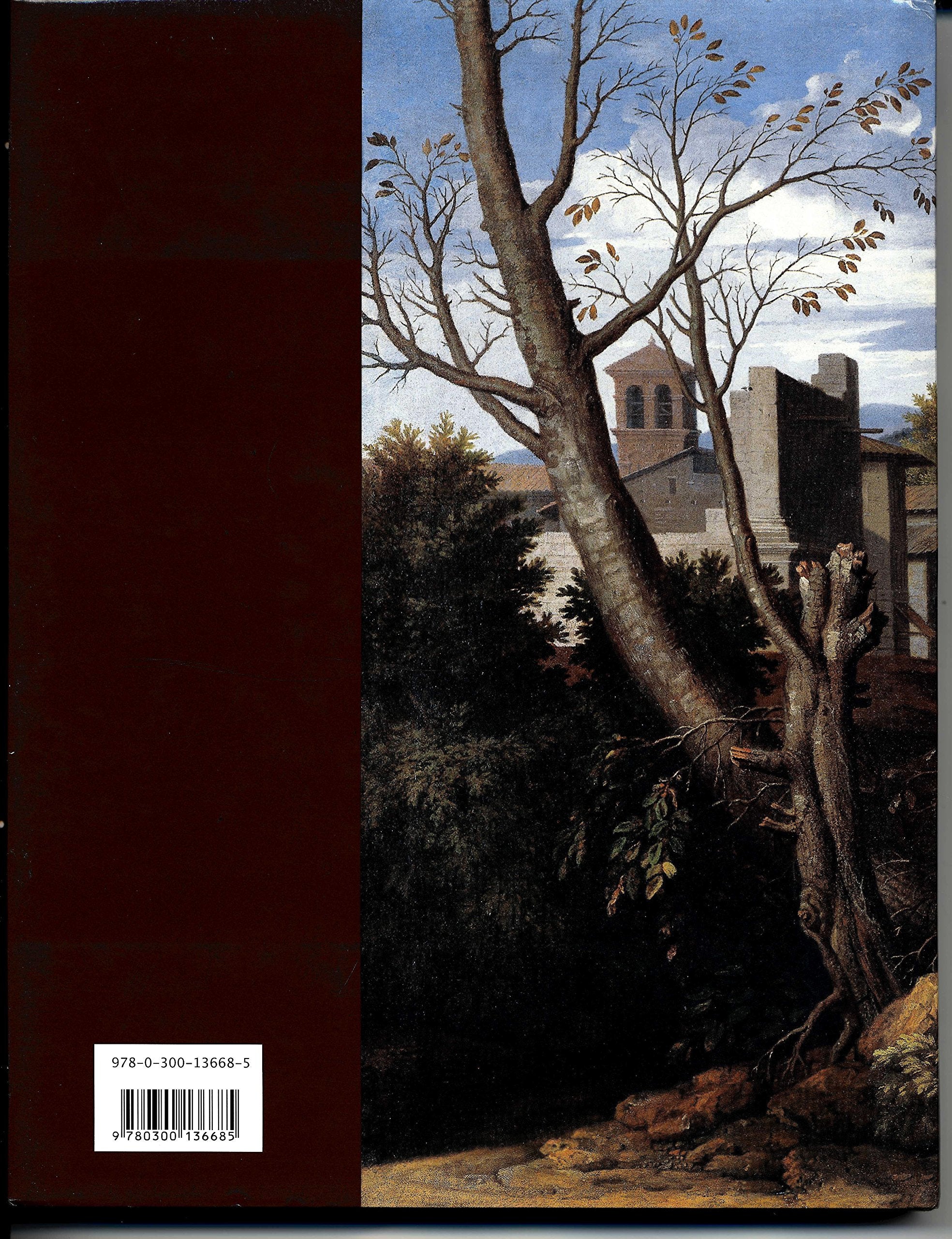
The work of the great French painter Nicolas Poussin (15941665) is most often associated with classically inspired settings and figures depicting solemn scenes from mythology or the Bible. Yet he also created some of the most influential landscapes in Western art, endowing them with a poetic quality that has been admired by artists as different as Constable, Turner, and Czanne. As the British critic William Hazlitt noted in 1844, This great and learned man might be said to see nature through the glass of time. This beautiful catalogue presents the first indepth examination of Poussins landscapes. Featured here are more than 40 paintings, ranging from the artists early Venetianinspired pastorals to his grandly structured and austere works, designed as metaphors or allegories for the processes of nature. Also included are approximately 60 drawings and essays by internationally renowned scholars who examine the painters visual, literary, and philosophical influences
Details & Craftsmanship
Every detail has been carefully considered to bring you the perfect product.
Description
The work of the great French painter Nicolas Poussin (15941665) is most often associated with classically inspired settings and figures depicting solemn scenes from mythology or the Bible. Yet he also created some of the most influential landscapes in Western art, endowing them with a poetic quality that has been admired by artists as different as Constable, Turner, and Czanne. As the British critic William Hazlitt noted in 1844, This great and learned man might be said to see nature through the glass of time. This beautiful catalogue presents the first indepth examination of Poussins landscapes. Featured here are more than 40 paintings, ranging from the artists early Venetianinspired pastorals to his grandly structured and austere works, designed as metaphors or allegories for the processes of nature. Also included are approximately 60 drawings and essays by internationally renowned scholars who examine the painters visual, literary, and philosophical influences