The Story
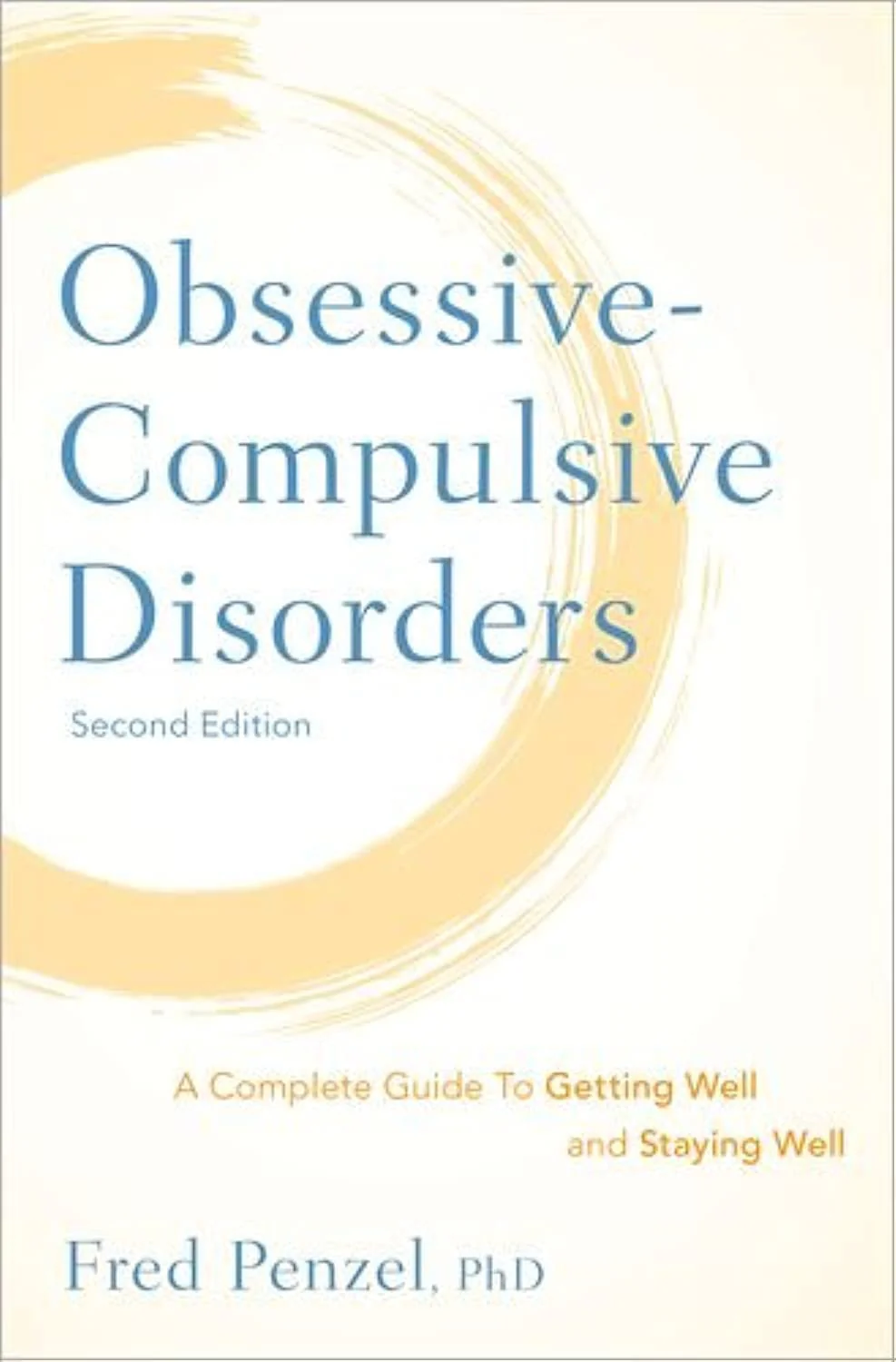
Morbid obsessions with sex, germs, or with ones appearance, and uncontrollable compulsions to hoard objects, to check and recheck locks, or to chronically pull ones hair are just a few of the symptoms of obsessivecompulsive disorders, which afflict over ten million Americans today. Many suffer in isolation and shame, not knowing that their disorder has a name, how to seek help, ormost importantlyhow to help themselves.Dr. Fred Penzel discusses the entire spectrum of these disorders, from the classic form characterized by intrusive, repetitive, and often unpleasant thoughts, to body dysmorphic disorder (imagined ugliness), trichotillomania, compulsive skin picking, and nail biting. He takes the reader through each step of the most effective behavioral therapies, detailing how progress is made and how they can avoid relapse. Dr. Penzel also offers readers a completely updated discussion of medication and how it fits within patients livesas part of the overall treatment plan, its effects on pregnancy, how to choose the best medicine, and how to know if it is working. In addition, Dr. Penzel discusses the treatment of children with these disorders, offers helpful advice for the families of sufferers, and lists a host of helpful resources and information for those afflicted.
Description
Morbid obsessions with sex, germs, or with ones appearance, and uncontrollable compulsions to hoard objects, to check and recheck locks, or to chronically pull ones hair are just a few of the symptoms of obsessivecompulsive disorders, which afflict over ten million Americans today. Many suffer in isolation and shame, not knowing that their disorder has a name, how to seek help, ormost importantlyhow to help themselves.Dr. Fred Penzel discusses the entire spectrum of these disorders, from the classic form characterized by intrusive, repetitive, and often unpleasant thoughts, to body dysmorphic disorder (imagined ugliness), trichotillomania, compulsive skin picking, and nail biting. He takes the reader through each step of the most effective behavioral therapies, detailing how progress is made and how they can avoid relapse. Dr. Penzel also offers readers a completely updated discussion of medication and how it fits within patients livesas part of the overall treatment plan, its effects on pregnancy, how to choose the best medicine, and how to know if it is working. In addition, Dr. Penzel discusses the treatment of children with these disorders, offers helpful advice for the families of sufferers, and lists a host of helpful resources and information for those afflicted.