Original: $49.30
-70%$49.30
$14.79The Story
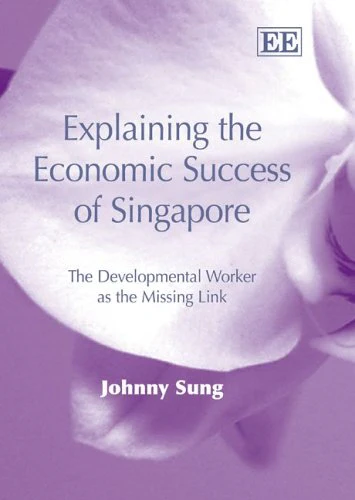
Explaining the Economic Success of Singapore explores the transformation of Singapore in the last three decades, going beyond the conventional explanations. The book argues that there was more to the transformation than a simple right place, right time scenario as other developing countries benefited from similar multinational corporation investment and political stability but did not achieve the same success. Johnny Sung illustrates what differentiates Singapore from these other similar countries.This book argues that both neoclassical economic theory and early versions of the developmental state theory have contributed little to understanding the nature of worker participation in Singapores miracle growth period. By developing a complementary concept the developmental worker the book examines the sociopolitical context in which workers became central to the national growth strategy and its skill formation projects. It further argues that one of the most important achievements of the developmental state is its ability to systematically embed the skill formation process through building innovative worker stakeholding while explicitly recognising the importance of social commitment for economic growth.Providing important lessons for workforce development policies, this book will appeal to workforce development policy makers, researchers, academics of labour studies, Asian studies and political science, as well as consultants advising on workforce matters.
Description
Explaining the Economic Success of Singapore explores the transformation of Singapore in the last three decades, going beyond the conventional explanations. The book argues that there was more to the transformation than a simple right place, right time scenario as other developing countries benefited from similar multinational corporation investment and political stability but did not achieve the same success. Johnny Sung illustrates what differentiates Singapore from these other similar countries.This book argues that both neoclassical economic theory and early versions of the developmental state theory have contributed little to understanding the nature of worker participation in Singapores miracle growth period. By developing a complementary concept the developmental worker the book examines the sociopolitical context in which workers became central to the national growth strategy and its skill formation projects. It further argues that one of the most important achievements of the developmental state is its ability to systematically embed the skill formation process through building innovative worker stakeholding while explicitly recognising the importance of social commitment for economic growth.Providing important lessons for workforce development policies, this book will appeal to workforce development policy makers, researchers, academics of labour studies, Asian studies and political science, as well as consultants advising on workforce matters.