The Story
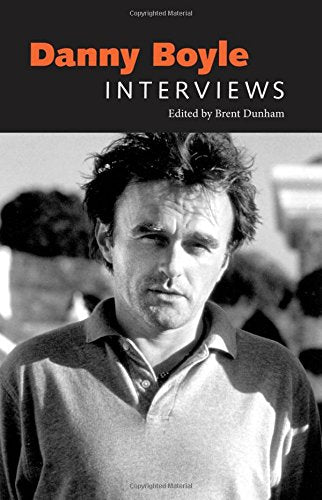
A humble man from humble beginnings, Danny Boyle (b. 1956) became a popular cinema darling when Slumdog Millionaire won big at the 2009 Academy Awards. Prior to this achievement, this former theater and television director helped the British film industry pull itself out of a decadeslong slump. With Trainspotting, he proved British films could be more than stuffy, period dramas; they could be vivacious and thrilling with dynamic characters and an infectious soundtrack. This collection of interviews traces Boyles relatively short fifteenyear film career, from his outstanding lowbudget debut Shallow Grave, to his Hollywood studio films, his brief return to television, and his decadeinthemaking renaissance.Taken from a variety of sources including academic journals, mainstream newspapers, and independent bloggers, Danny Boyle: Interviews is one of the first books available on this emerging director. As an interviewee, Boyle displays an engaging honesty and openness. He talks about his films 28 Days Later, Millions, and others. His success proves that classical storytelling artists still resonate with audiences.
Description
A humble man from humble beginnings, Danny Boyle (b. 1956) became a popular cinema darling when Slumdog Millionaire won big at the 2009 Academy Awards. Prior to this achievement, this former theater and television director helped the British film industry pull itself out of a decadeslong slump. With Trainspotting, he proved British films could be more than stuffy, period dramas; they could be vivacious and thrilling with dynamic characters and an infectious soundtrack. This collection of interviews traces Boyles relatively short fifteenyear film career, from his outstanding lowbudget debut Shallow Grave, to his Hollywood studio films, his brief return to television, and his decadeinthemaking renaissance.Taken from a variety of sources including academic journals, mainstream newspapers, and independent bloggers, Danny Boyle: Interviews is one of the first books available on this emerging director. As an interviewee, Boyle displays an engaging honesty and openness. He talks about his films 28 Days Later, Millions, and others. His success proves that classical storytelling artists still resonate with audiences.