The Story
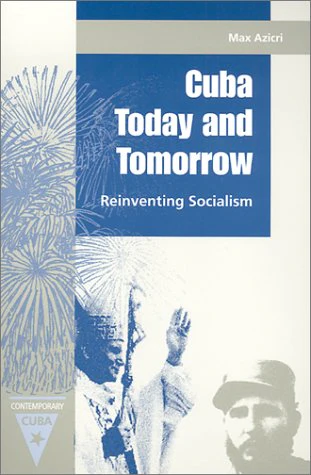
A classic on postCold War Cuba. . . . Azicri evidences Cubas expanding external relations with the papacy, the Economic Union, and Latin America and argues that Cuba has begun internal changes that could later create an allnational rather than a solely communist party. . . . This work is essential reading for D.C., Havana, and Miamiand is likely to anger all three.ChoiceA masterful and provocative summary, analysis, and evaluation of political, economic, and cultural developments in Cuba, as well as the international relations of Cuba, in the tumultuous decade following the collapse of the Soviet Union. In the process, Azicri gives a unique insight into how and why Cuban socialism, though greatly modified in the 1990s, continues to survive.Sinan Koont, Dickinson CollegeUnlikely to gratify those with strong views on either side of the political divide, Azicris study provides an intelligent, scholarly response to the current questions posed by the Cuban Revolution.Covering the turbulent period of the 1990s, the book examines such issues as the impact on Cuba of the Soviet Unions collapse, the countrys social malaise under economic scarcity, the reorganization of its economy, changes in its political system, problems in its relations with the United States, and the renaissance of Cuban religious life in the aftermath of the popes visit.Azicri offers an objectively researched study that addresses many of the assumptions made by partisan participants. Demonstrating how Cubas ongoing reform process has allowed it to avoid the fate of other Soviet bloc regimes, he maintains that Havana has continually reinvented the nature of Cuban socialism. Drawing on original sources and scholarly studies from Cuba, the United States, and elsewhere, he argues that a more restrained and limited socialism is suitable to todays Cuba and explains why such a system probably will prevail beyond Castro.Max Azicri, professor of political science at Edinboro University of Pennsylvania, is the author of Cuba: Politics, Economics and Society and of numerous articles on Cuban politics, society, culture, and international relations.
Description
A classic on postCold War Cuba. . . . Azicri evidences Cubas expanding external relations with the papacy, the Economic Union, and Latin America and argues that Cuba has begun internal changes that could later create an allnational rather than a solely communist party. . . . This work is essential reading for D.C., Havana, and Miamiand is likely to anger all three.ChoiceA masterful and provocative summary, analysis, and evaluation of political, economic, and cultural developments in Cuba, as well as the international relations of Cuba, in the tumultuous decade following the collapse of the Soviet Union. In the process, Azicri gives a unique insight into how and why Cuban socialism, though greatly modified in the 1990s, continues to survive.Sinan Koont, Dickinson CollegeUnlikely to gratify those with strong views on either side of the political divide, Azicris study provides an intelligent, scholarly response to the current questions posed by the Cuban Revolution.Covering the turbulent period of the 1990s, the book examines such issues as the impact on Cuba of the Soviet Unions collapse, the countrys social malaise under economic scarcity, the reorganization of its economy, changes in its political system, problems in its relations with the United States, and the renaissance of Cuban religious life in the aftermath of the popes visit.Azicri offers an objectively researched study that addresses many of the assumptions made by partisan participants. Demonstrating how Cubas ongoing reform process has allowed it to avoid the fate of other Soviet bloc regimes, he maintains that Havana has continually reinvented the nature of Cuban socialism. Drawing on original sources and scholarly studies from Cuba, the United States, and elsewhere, he argues that a more restrained and limited socialism is suitable to todays Cuba and explains why such a system probably will prevail beyond Castro.Max Azicri, professor of political science at Edinboro University of Pennsylvania, is the author of Cuba: Politics, Economics and Society and of numerous articles on Cuban politics, society, culture, and international relations.