
Original: $59.36
-70%$59.36
$17.81The Story
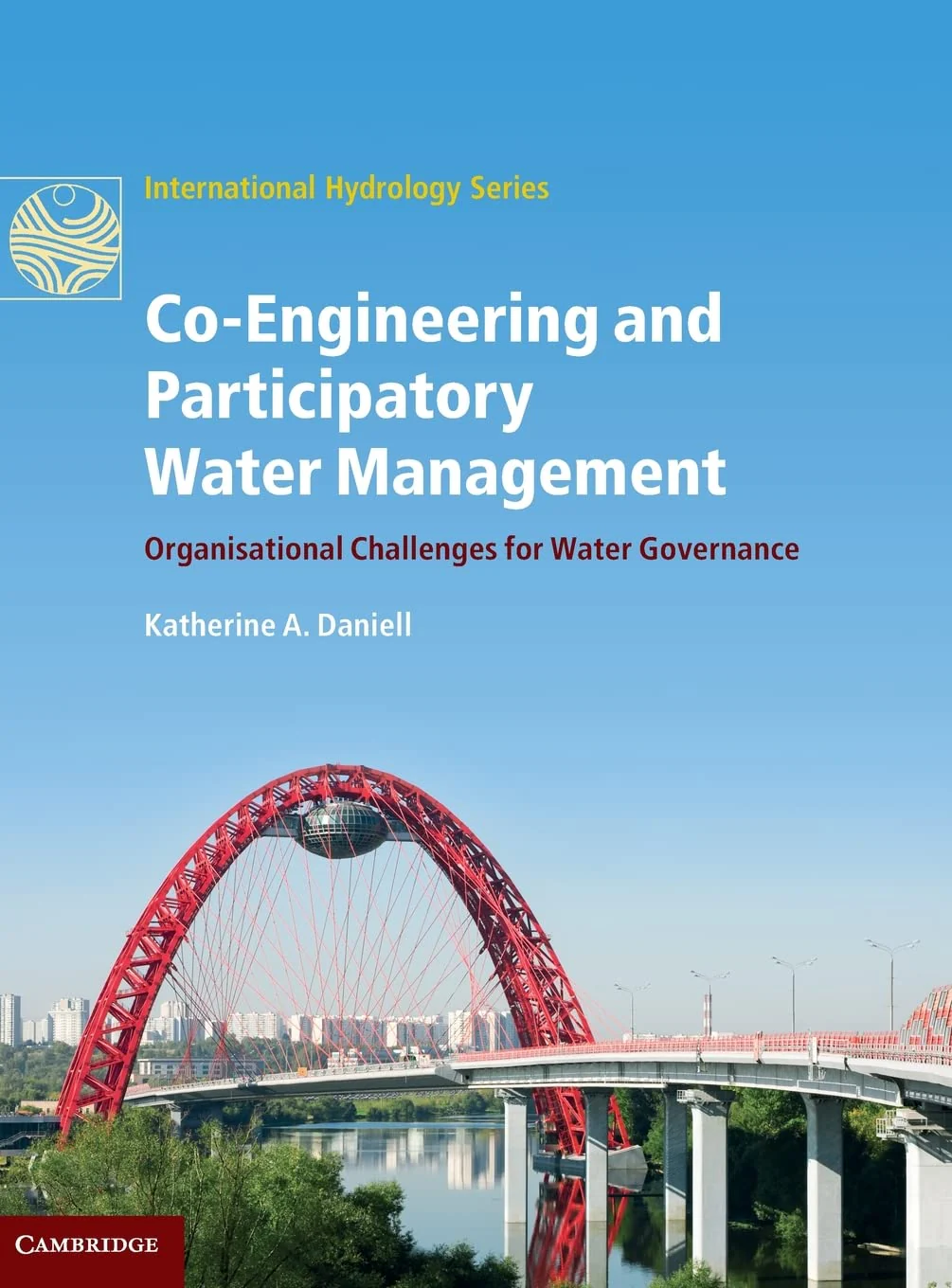
Effective participatory water management requires effective coengineering the collective process whereby organisational decisions are made on how to bring stakeholders together. This transdisciplinary book highlights the challenges involved in the collective initiation, design, implementation and evaluation of water planning and management processes. It demonstrates how successful management requires the effective handling of two participatory processes: the stakeholder water management process and the coengineering process required to organise this. The book provides practical methods for supporting improved participatory processes, including the application of theory and models to aid decisionmaking. International case studies of these applications from Australia, Europe and all over the world including Africa, are used to examine negotiations and leadership approaches, and their effects on the participatory stakeholder processes. This international review of participatory water governance forms an important resource for academic researchers in hydrology, environmental management and water policy, and also practitioners and policymakers working in water management.
Description
Effective participatory water management requires effective coengineering the collective process whereby organisational decisions are made on how to bring stakeholders together. This transdisciplinary book highlights the challenges involved in the collective initiation, design, implementation and evaluation of water planning and management processes. It demonstrates how successful management requires the effective handling of two participatory processes: the stakeholder water management process and the coengineering process required to organise this. The book provides practical methods for supporting improved participatory processes, including the application of theory and models to aid decisionmaking. International case studies of these applications from Australia, Europe and all over the world including Africa, are used to examine negotiations and leadership approaches, and their effects on the participatory stakeholder processes. This international review of participatory water governance forms an important resource for academic researchers in hydrology, environmental management and water policy, and also practitioners and policymakers working in water management.