Original: $34.07
-70%$34.07
$10.22The Story
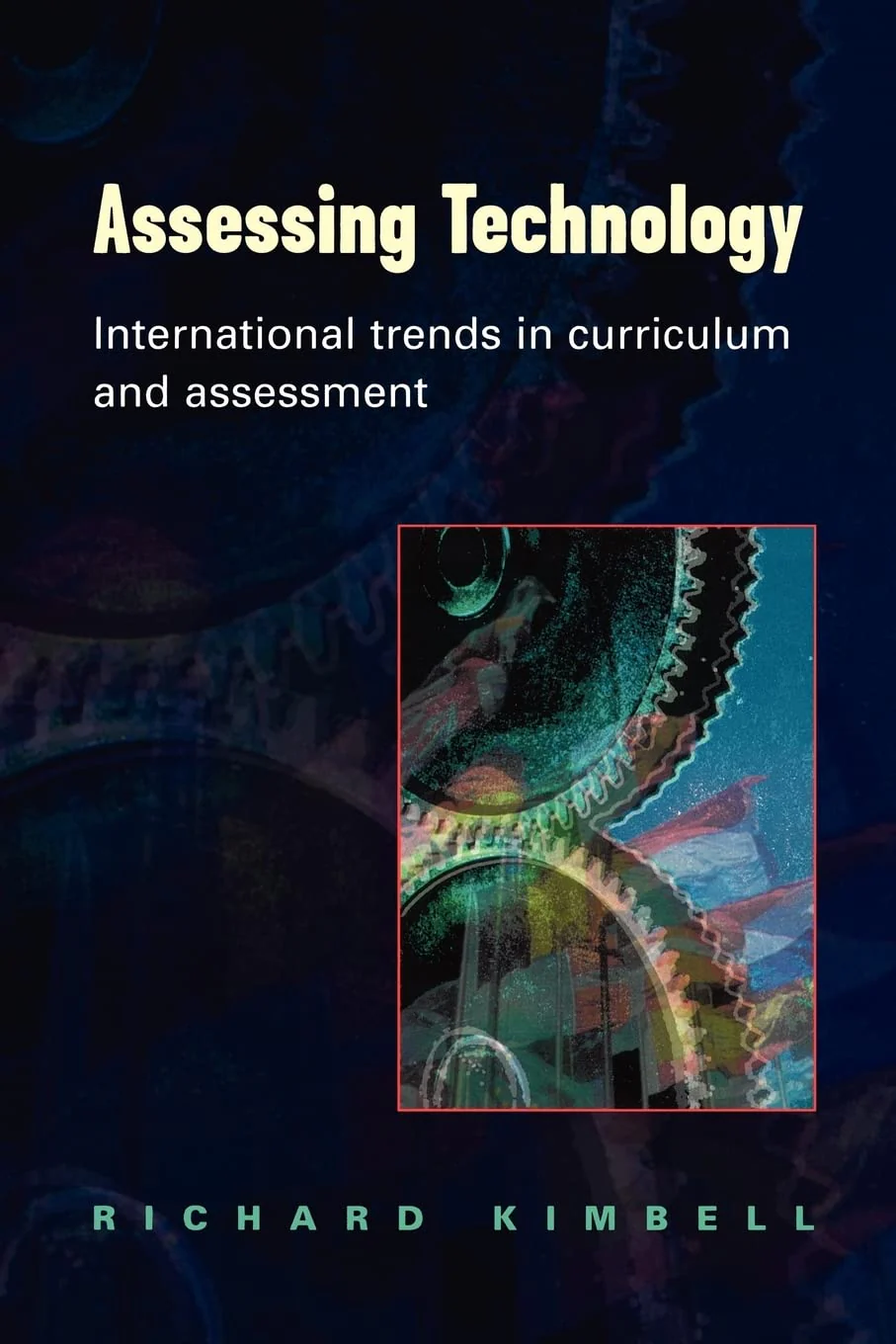
* How did the development of assessment practices influence the emerging technology curriculum? * How does practice in the UK compare to practice in the USA, Germany, Taiwan and Australia? For thirty years the UK has been evolving a distinctive technology curriculum. In part one of this book Richard Kimbell explores the thorny issues of assessment that have been raised by and that helped to define the technology curriculum in the UK. Richard writes as an insider who was closely involved in the evolution of GCSE, in the battles that characterised the development of national curriculum assessment, and in the single biggest research venture in the assessment of technology the Assessment of Performance Unit project of 198591. He analyses the successes and the mistakes and brings these together (in chapter 6) into a series of lessons that we should have learned about technology and about assessment. In part two, Richard presents four vignettes of curriculum and assessment practice in technology from the USA, Germany, Taiwan and Australia. In each case the education system, the technology curriculum and its associated assessment practices are outlined. Thereafter in the final chapter, Richard brings together the lessons learned in the UK with those that might reasonably be learned from practice in the four case study nations.
Description
* How did the development of assessment practices influence the emerging technology curriculum? * How does practice in the UK compare to practice in the USA, Germany, Taiwan and Australia? For thirty years the UK has been evolving a distinctive technology curriculum. In part one of this book Richard Kimbell explores the thorny issues of assessment that have been raised by and that helped to define the technology curriculum in the UK. Richard writes as an insider who was closely involved in the evolution of GCSE, in the battles that characterised the development of national curriculum assessment, and in the single biggest research venture in the assessment of technology the Assessment of Performance Unit project of 198591. He analyses the successes and the mistakes and brings these together (in chapter 6) into a series of lessons that we should have learned about technology and about assessment. In part two, Richard presents four vignettes of curriculum and assessment practice in technology from the USA, Germany, Taiwan and Australia. In each case the education system, the technology curriculum and its associated assessment practices are outlined. Thereafter in the final chapter, Richard brings together the lessons learned in the UK with those that might reasonably be learned from practice in the four case study nations.